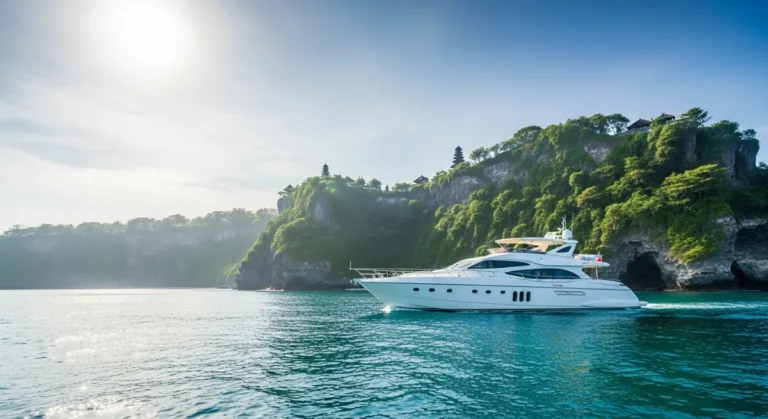
Essential safety tips for Bali yacht and speedboat charters
- Choose a reputable charter company with certified crews.
- Always wear life jackets, especially when traveling with children.
- Understand local weather conditions and heed safety briefings.
Understanding Bali’s Waters and Conditions

Bali offers a diverse range of marine environments, from calm bays to open ocean. The best time for yacht and speedboat charters is during the dry season, from April to October. During this period, the weather is generally more predictable, making it safer for water activities.
Familiarize yourself with the local waters. The Bali Strait, for instance, can have swift currents, especially during specific tidal phases. Always consult your crew about the best routes and any potential hazards. Navigating through channels like those around Nusa Penida or the Komodo National Park requires careful consideration due to varying depths and marine life.
Choosing the Right Charter Company
When selecting a Bali yacht charter, prioritize companies with a solid reputation. Look for the following:
- Licensing and Certification: Ensure the charter company complies with Indonesian maritime regulations and has the necessary licenses.
- Experienced Crew: The crew should be trained in safety protocols, first aid, and emergency procedures. A knowledgeable crew can make all the difference in ensuring your safety.
- Safety Equipment: Verify that the vessel is equipped with essential safety gear, including life jackets, fire extinguishers, and a first aid kit. A well-maintained boat should also have functioning communication devices.
Life Jackets and Personal Safety Gear
Life jackets should be a non-negotiable part of your charter experience. Ensure that:
- Every passenger has access to a properly fitted life jacket.
- Children are equipped with child-sized life jackets that are securely fastened at all times.
- Life jackets are worn while boarding, while stepping ashore, and any time the vessel is in motion.
Consider other personal safety gear as well, such as sunglasses, hats, and sunblock, to protect against sun exposure while on the water. Staying hydrated is also crucial; dehydration can impair judgment and response times.
Communication and Emergency Procedures
Before setting sail, make sure you’re aware of all communication protocols. The following steps are essential:
- Emergency Contacts: Know how to contact local emergency services. Your crew should provide you with information on the nearest harbor and emergency numbers.
- Safety Briefing: Attend the safety briefing provided by the crew. This will cover emergency procedures, safety equipment locations, and what to do in case of an emergency.
- Communication Devices: Ensure that the vessel is equipped with a radio or satellite phone for communication, especially when venturing far from land.
Understanding Weather Conditions
Weather plays a critical role in boating safety. Check local forecasts before your trip and stay updated throughout your charter. Key points to consider include:
- Wind Conditions: Strong winds can create hazardous conditions. Be prepared to adjust your itinerary if necessary.
- Rain and Storms: Sudden storms can develop in tropical regions, so always have a plan in case you need to return to shore quickly.
- Current and Tides: Understand how tides affect your route. Tidal changes can impact navigation, especially in shallow areas.
Alcohol and Responsibility
While enjoying the tropical climate, it can be tempting to indulge in alcoholic beverages. However, it’s essential to prioritize safety:
- Limit alcohol consumption while on board, especially if you are the designated driver of the vessel.
- Be aware that alcohol can impair judgment and reaction times, which are critical for safety on the water.
- Encourage responsible drinking among all passengers to ensure everyone’s safety.
Wildlife Awareness
Bali and its surrounding waters are home to diverse marine life, including dolphins, manta rays, and various fish species. While encountering wildlife can enhance your experience, it’s crucial to respect their habitats:
- Maintain Distance: Always keep a safe distance from marine animals. Approaching or feeding wildlife can disrupt their natural behavior.
- Snorkeling and Diving Safety: If your charter includes snorkeling or diving, ensure you have the appropriate training and equipment. Always dive with a buddy and follow safety protocols.
- Environmental Considerations: Avoid touching coral or marine life, as this can cause harm to fragile ecosystems.
Post-Charter Safety and Feedback
After your charter, take a moment to reflect on your experience. Here are some steps to ensure ongoing safety and improvement:
- Report Any Issues: If you encountered any safety concerns during your trip, report them to the charter company. This feedback can help improve future safety protocols.
- Share Your Experience: Consider leaving a review to inform other travelers about your experience, both positive and negative.
- Plan for Future Trips: Use your experience to adjust future charters, ensuring even safer and more enjoyable outings.
Choosing a Reputable Charter Company in Bali
When planning your yacht or speedboat adventure in Bali, ensure you select a charter company with a strong safety record and positive reviews. This choice is crucial because it directly impacts your comfort and security during the trip. Check for certifications and ask about their safety protocols. For further information, you can visit our FAQ section.
For those interested in planning specifics, be sure to see current rates or learn more about the options available. These resources will help you make informed decisions for a memorable journey in Bali’s striking waters.